Blog
What Actually Happens During a Scranton Service Call
A plain breakdown of what happens on a Scranton garage door service call, why this city's older housing stock and cold winters change the job, and what to skip.
The Cost of This Job
We're not going to throw a number at you that doesn't mean anything until a tech is standing in your garage. What we can tell you is what drives the cost up or down, and in Scranton it's almost always the same thing: age of the hardware, not the brand of the door.
Houses here mostly went up between 1938 and 1982, with the median build year sitting around 1960. That means a lot of the springs, cables, and openers a tech finds on a call are original or close to it - parts that haven't been made in the current size or style for decades. Swapping a modern torsion spring takes fifteen minutes. Matching a spring wound for a door frame built before metric fasteners were standard takes longer, and sometimes means adapting a part instead of bolting on a drop-in replacement.
The other driver is what else broke on the way to the main problem. A dead opener on a door with a rusted track isn't one job, it's two, and the second one usually shows up once the tech has the panel open. We'll always tell you before we do extra work, not after.
One honest limit: we don't quote firm numbers over the phone sight-unseen. Anyone who does on a house this old is guessing.
What Local Conditions Do
Scranton sits in a cold climate band with severe winter conditions, and that shows up in specific, predictable ways on a service call - not vague "weather happens" language, but actual failure points.
Cold steel contracts. A torsion spring that's been fine for ten summers can snap on the first hard freeze because the metal's lost flexibility it never needed before. Bottom seals crack and stop sealing against frost heave in the slab, which lets cold air and meltwater into the garage, which then freezes the bottom roller track by morning. We see this pattern across the area - Dunmore, Dickson City, Clarks Summit, Moosic - basically anywhere within a few miles of here with the same winter exposure.
Openers struggle too. Chain-drive units especially slow down when the grease inside thickens in cold air, and a motor already working against a stiff cold spring will burn out its gears faster than it would in a mild climate. None of this is damage from one storm. It's cumulative, and it's why a service call in January often turns up more than the one symptom you called about.
What Is Going On
Most of the calls we run fall into one of two buckets: something snapped, or something's been grinding toward snapping for a while and finally did.
Across the 50 named neighborhoods and boroughs in this service area, the housing stock skews 1960s and 70s, and a lot of those garages still have their second or third opener but their first set of springs. Springs aren't built to last forever - they're rated for a number of open-close cycles - and a house built in that era has had a lot of cycles go by. When a spring finally lets go, it's usually loud, sudden, and the door won't move. That's a straightforward repair.
The slower version is a track that's walked out of alignment over years, a roller that's worn oval instead of round, or a cable that's frayed one strand at a time until it's down to a thread. Those calls come in as "it's making a noise" and the tech finds the real story once the door's moving. With 44,860 owner-occupied houses across this area, that's a lot of garages with the same era of hardware aging out at roughly the same time.
Doing Nothing For Now
Sometimes the right call really is to wait, and we'll say so. A door that's a little loud but opens and closes square, with a spring that still holds tension evenly, doesn't need a same-week appointment. Scheduling it for whenever works, rather than treating it as urgent, is a legitimate choice.
What changes that math is winter. Given the cold band Scranton sits in, a marginal spring or a seal that's already cracking tends to fail at the worst possible moment - a hard freeze, not a mild afternoon. If you're noticing slack cable, uneven lift, or a seal that's stopped making contact with the slab, waiting through a Scranton winter is a different bet than waiting through a Scranton summer.
With a median household income of $68,010 in this area, most owners we talk to want the door repaired, not replaced, and that's usually the right call when the frame and opener are sound. Replacement makes more sense when the door itself is original to a 1960s build and the track geometry no longer matches anything a tech can source parts for. We'll tell you which situation you're in before we start work, not after.
Questions
Common questions
Do you give a price over the phone before seeing the door?
No. Houses in this area span a wide build range, and a lot of the hardware is original to homes from the 1950s through 70s. We need a tech to actually look at the spring size, track condition, and opener before we can give a number that holds up.
Why did my spring break in the middle of winter?
Cold steel loses flexibility, and a spring that's carried a door fine for years can snap once temperatures drop hard. Scranton's winter band makes this a routine seasonal call, especially on older torsion springs that were already near the end of their cycle rating.
Is it normal for my garage door hardware to be original to the house?
Very common here. Median build year across this area is around 1960, and a lot of garages still run their first set of springs and track, even if the opener's been swapped once or twice since.
Should I replace or repair my door?
If the frame, track, and opener are sound, repair almost always makes sense. Replacement becomes the better option when the door itself is original to an older build and the track geometry doesn't match parts anyone still stocks.
Recommendation
You Might Also Like
More garage door guides for Scranton homeowners.
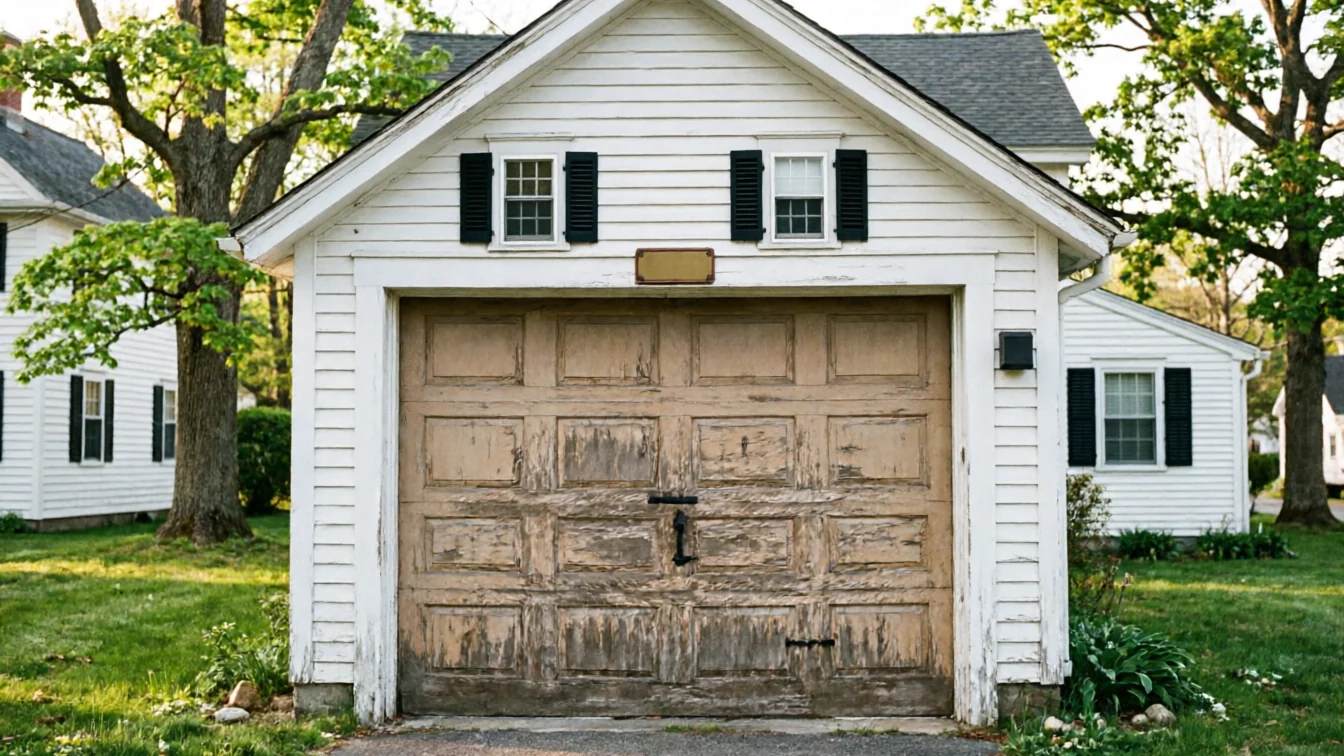 Is Your Old Scranton Garage Door Worth Fixing or Time to Replace It
A plain look at when repair still makes sense on Scranton's older doors - torsion hardware, cold-weather wear, and what the 1960s housing stock means for your door.
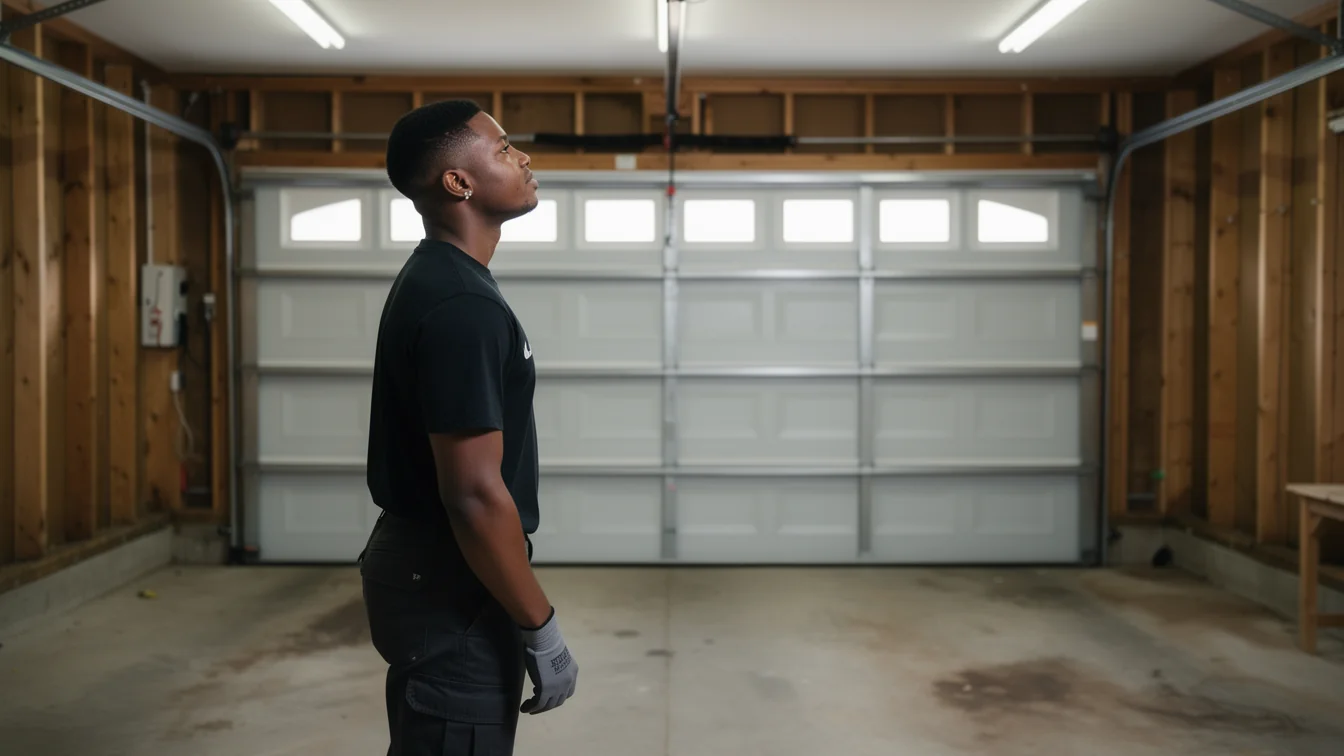 Uninsulated Garage Doors on Scranton's Older Housing Stock
Scranton homes from the 1938-1982 build wave often have uninsulated garage doors.
Openers and Power Cuts: What Scranton's Older Garage Stock Means for You
Scranton homes built 1938-1982 often run openers that weren't made for cold-severe winters or modern power interruptions.
Ready when you are
Need a garage door sorted in Scranton?
Scranton Garage Door Pros repairs and installs garage doors, springs and openers in Scranton, PA and the surrounding area.