Blog
What It Actually Costs to Replace a Garage Door in Scranton
Scranton homes built between 1938 and 1982 face cold-climate wear that changes what a replacement garage door actually costs. Here's what drives the price.
The Cost of This Job
We can't quote you a number without seeing the opening, but we can tell you what moves the price around here. A lot of Scranton's housing stock went up between 1938 and 1982, with the heaviest concentration from the 1960s, and that era brought openings and track spacing that don't always match what's stocked on a standard truck today. If your door is original to a house from that band, you're more likely paying for a custom-width panel than a shelf item.
The second driver is insulation. Because this area sits in a severe cold-climate band, an uninsulated single-layer door costs more to run every winter than the sticker price suggests, so a lot of owners end up weighing a cheaper non-insulated replacement against a pricier insulated one that pays itself back in lower heating bills. We don't have a dollar figure to hand you for either option, and we're not going to make one up.
Across the service area, median household income sits at $68,010, which puts most jobs here in the mid-range door and hardware category rather than premium lines - not because the work is cut corners, but because that's what the budget realistically supports for most owners.
What Local Conditions Do
Cold doesn't just make the door harder to lift - it changes what fails first. In a severe cold-climate area like this one, grease in torsion springs and rollers stiffens up, steel cables contract slightly, and nylon rollers crack faster than the rubber-coated kind. None of that is unique to any one brand of door; it's what happens to any door, any year, any town, when winters stay cold enough long enough.
What it means for a replacement decision: if your current door is original equipment from the 1960s-70s building wave that covers most of this area, the hardware has already been through fifty-plus winters of that cycle. Springs get replaced along the way, usually more than once, but the track and the drum often aren't, and cold-stressed steel doesn't forgive forever.
Weatherstripping matters more here than in a milder climate too. A door that seals tight in September can let a visible gap open up by January once the bottom seal shrinks in the cold. That's a cheap fix on its own, but on an older door it's often the first sign that the whole unit is due for replacement rather than another patch.
What Is Going On
Most of the houses we get called to sit in the 1938-1982 build band, and the bulk of that is 1960s and 70s construction - across the fifty or so named areas in this part of the region, that's the dominant stock, not the exception. Doors from that era were built to specs that have mostly been phased out: narrower torsion drums, side-mounted springs instead of center, and panel steel that's thinner than what ships today.
When one of these doors fails, it's rarely one part. A cable that's been flexing on an undersized drum for forty years usually takes a roller or a hinge with it. That's the practical reason repair quotes on these older doors sometimes creep toward replacement cost - you're not paying for one part, you're paying for the next three that are about to go the same way.
The cold climate speeds all of this up. A spring rated for a certain cycle count wears faster when it's cycling through temperature swings on top of normal use. We see that pattern consistently on original doors from this era, and it's the main reason a door that looks fine from the driveway can still be a bad bet to keep repairing.
Doing Nothing For Now
Sometimes the honest answer is: wait. If your door is sealing, opening smoothly, and the spring hasn't shown stress cracks, there's no reason to replace it just because it's old. We'd rather tell you that than talk you into a job you don't need yet.
Where waiting gets expensive is the insulation gap. In a cold-climate area like this one, an aging uninsulated door keeps bleeding heat every winter you put the decision off, and that cost doesn't show up on an invoice - it shows up on the heating bill, month after month, which makes it easy to ignore until you add it up over a few years.
The other limit on waiting: once a torsion spring on an original 1960s-70s door starts showing a visible gap or flat spot, it's close to the end, and it can let go without much warning. We don't try to scare people into jobs they don't need, but that's one failure mode where the honest advice is to not push it.
Questions
Common questions
Why does my garage door opening not match a standard size?
If your house was built in the 1938-1982 window that covers most of this area, especially the 1960s-70s wave, your opening may have been framed to a spec that isn't standard anymore. That doesn't mean it can't be replaced, just that the new door usually needs to be sized to the existing opening rather than pulled off a shelf.
Is an insulated door worth it in this climate?
In a severe cold-climate area like this one, an insulated door cuts heat loss through the garage noticeably compared to a single-layer panel. Whether it's worth the added upfront cost depends on how the garage is used - attached and heated space benefits more than a detached, unheated bay.
How do I know if my door needs repair or full replacement?
If the springs, cables, and rollers are original to a house from the 1960s-70s building era, one failed part is often a sign the rest are close behind. We'd rather tell you honestly when a repair isn't worth it than sell you a patch job on a door that's going to need the next part in six months.
Recommendation
You Might Also Like
More garage door guides for Scranton homeowners.
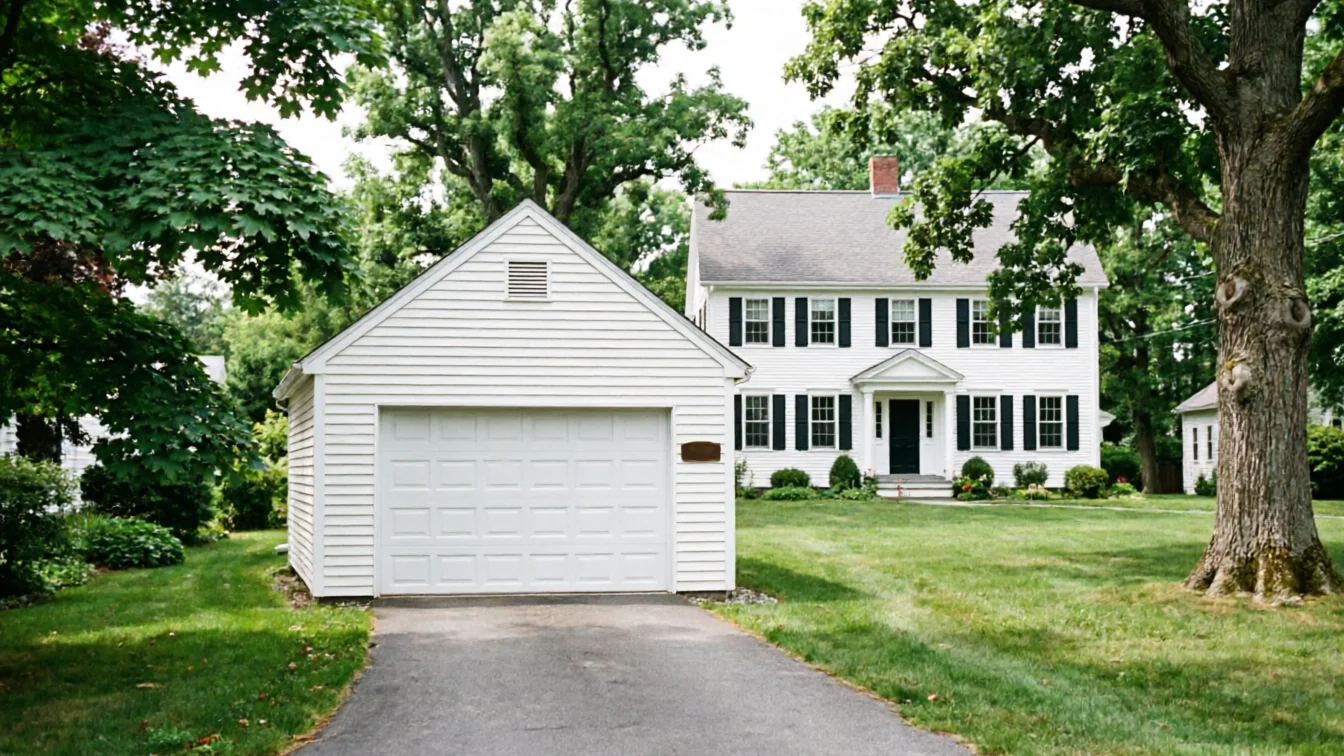 Attached or Detached: Why It Matters for Your Scranton Garage Door
Scranton homes built 1938-1982 split between detached and attached garages.
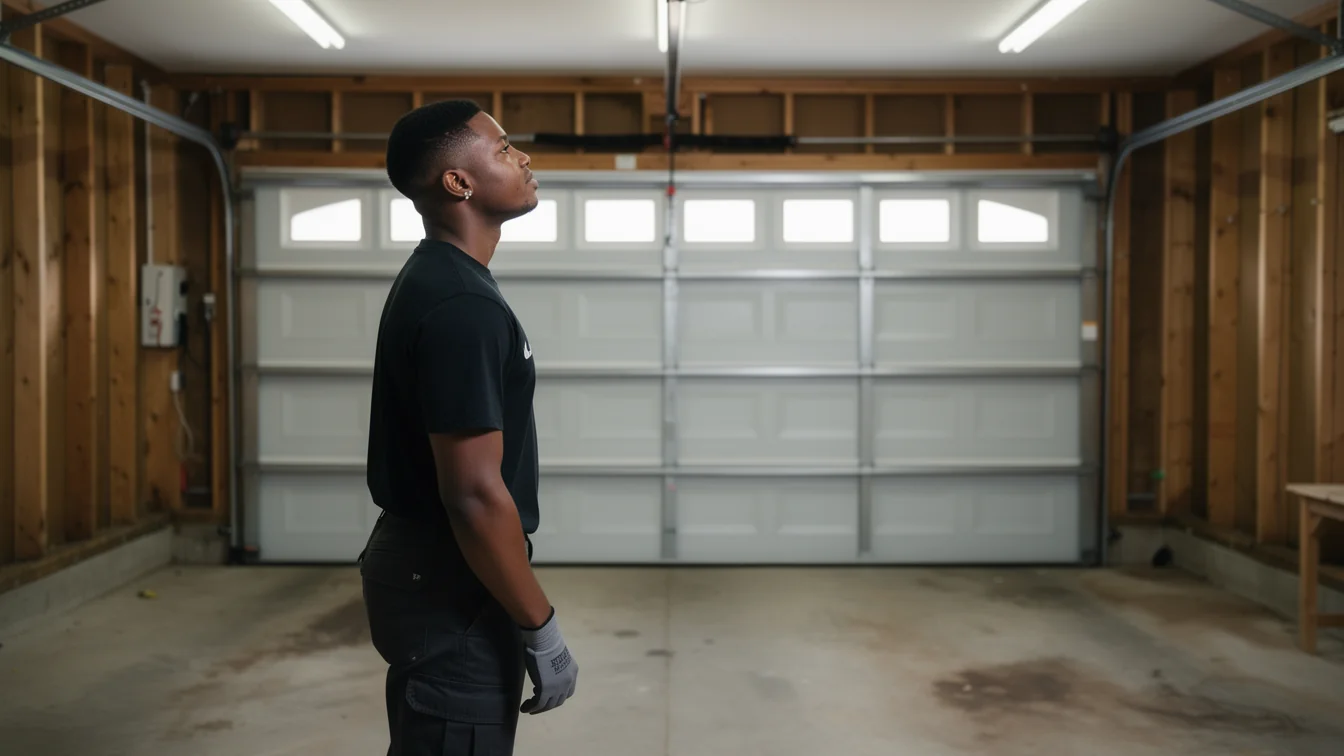 Uninsulated Garage Doors on Scranton's Older Housing Stock
Scranton homes from the 1938-1982 build wave often have uninsulated garage doors.
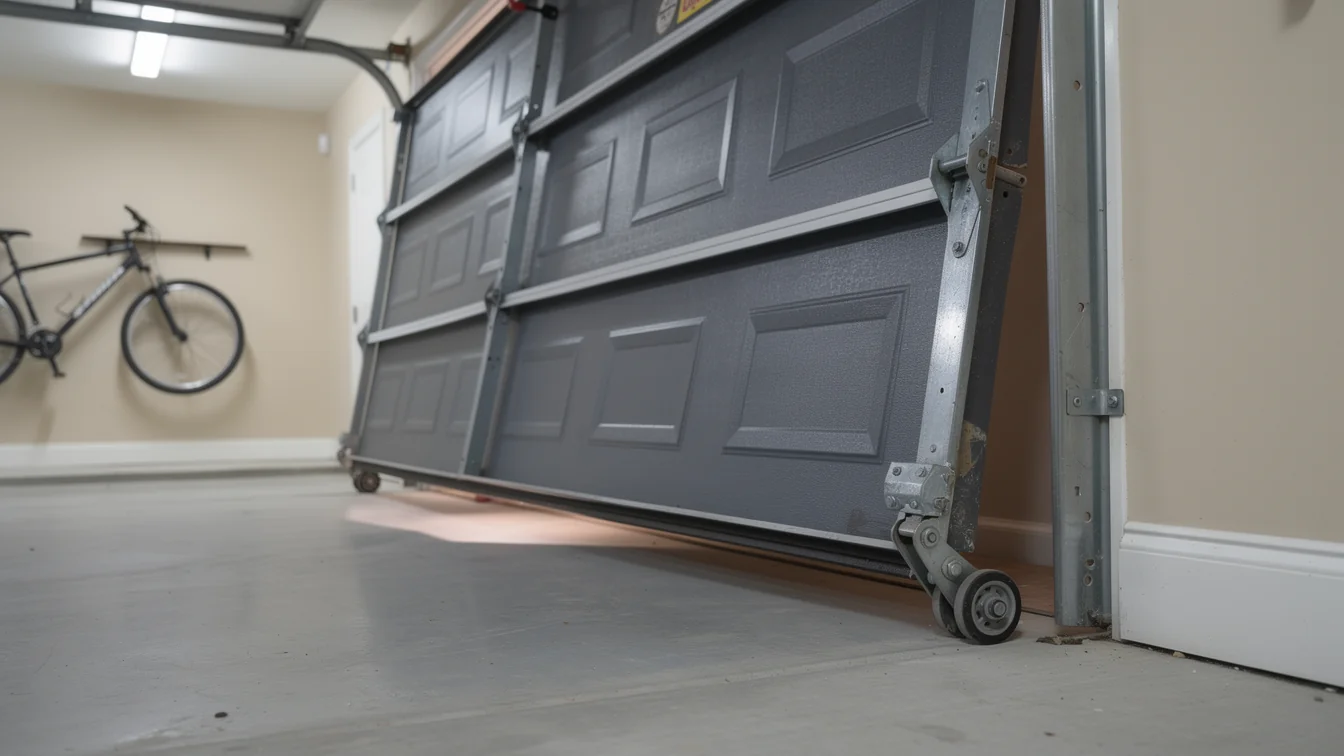 Why Your Safety Sensors Keep Drifting in a Scranton Garage
Scranton homes built 1938-1982 and the region's cold winters both push safety sensors out of alignment.
Ready when you are
Need a garage door sorted in Scranton?
Scranton Garage Door Pros repairs and installs garage doors, springs and openers in Scranton, PA and the surrounding area.