Blog
Uninsulated Garage Doors on Scranton's Older Housing Stock
Scranton homes from the 1938-1982 build wave often have uninsulated garage doors. Here's what that costs you in a cold-severe climate and what the fix runs.
The Cost of This Job
We don't have a price list to hand you here, and we're not going to make one up. What we can tell you is how the job gets decided. Most of the houses we work on in Scranton went up between 1938 and 1982, with the median build year sitting around 1960 - that's before insulated steel doors were standard, and a lot of these garages still have the single-layer door that came with the house. Swapping that for an insulated panel door is a bigger job than a spring repair or a roller replacement, because you're pulling the old slab, the track, sometimes the jamb seal, and setting new hardware to match a bigger door weight. A spring job on a 1960s door is a parts-and-labor call. A full door swap is a different conversation, and it's one worth having before a winter where the old door finally gives out. With median household income here around $68,010, we try to be straight about which repairs actually extend the door's life and which ones just delay a replacement you're going to need anyway.
What Local Conditions Do
Scranton sits in a climate band we'd call cold and severe - real winters, real temperature swings, and that matters more on an uninsulated door than people expect. A single-layer steel or wood slab door built when your house was built, likely sometime in that 1960s-70s window, has no thermal break. Cold doesn't just sit on the outside of the door; it moves through the panel, which means the garage stays near outdoor temperature most of the winter. On houses from this era the garage is often attached, sometimes under a bedroom or next to the laundry, so that cold doesn't stop at the garage wall. It also means condensation forms on the inside of the panel on humid days, which over forty-plus years of seasonal cycling is part of why a lot of these original doors have warped bottom panels and rusted-through bottom brackets by now.
What Is Going On
If your door is original to a house built in that 1938-1982 run, here's what's actually happening to it. The steel skins on doors from that period were usually single-wall, no foam core, no vinyl backing. Forty to eighty winters of freeze-thaw at the bottom panel - where runoff sits against the steel - is what causes the rust-through and the flaking paint you see at the base of a lot of these doors. The springs on original installs from that era are also well past any reasonable service life; torsion springs are rated in cycles, not years, and a door that's opened twice a day for sixty years has used up several springs' worth of cycles even if nobody's replaced them. None of this is unique to one house - it's the pattern across the older sections of this housing stock, and it's why we see the same failure points over and over on calls tied to that build window.
Doing Nothing For Now
Sometimes doing nothing is the right call, and we'll say that plainly: if the door still seals, still balances, and the spring hasn't started fraying, there's no reason to replace a working door just because it's old. But on a single-wall door from the 1938-1982 build window, in a cold-severe climate, the clock is already running on the bottom panel and the weatherstrip, and waiting through another hard winter without a seal check is how a slow leak at the bottom becomes a cracked panel. If you're not ready for the bigger insulated-door job, the honest middle step is getting the weatherstrip and bottom seal looked at before the cold really sets in - it won't make an old door into a new one, but it buys you another season to plan the real fix.
Questions
Common questions
Is my garage door original to the house if it was built in the 1960s?
A lot of Scranton houses from that era still have their original single-layer steel or wood door, especially if it hasn't been replaced after storm damage. If the bottom panel shows rust lines or the door feels heavy to lift by hand, that's usually a sign it's the original slab.
Does an uninsulated door actually matter if the garage isn't heated?
It matters more than people think in a cold-severe climate like Scranton's. An uninsulated door lets outside temperature transfer straight through, which pulls heat out of anything attached to or above the garage - a bedroom wall, a laundry room, pipes running along that side of the house.
Should I replace the door or just fix what's broken?
Depends what's actually failing. A broken spring or a bent roller on an otherwise sound door is a repair, not a replacement. But if the panel itself is rusted through at the bottom or the door's original to a house from the 1938-1982 build window, repair money is going into a door that's near the end of its service life anyway.
Recommendation
You Might Also Like
More garage door guides for Scranton homeowners.
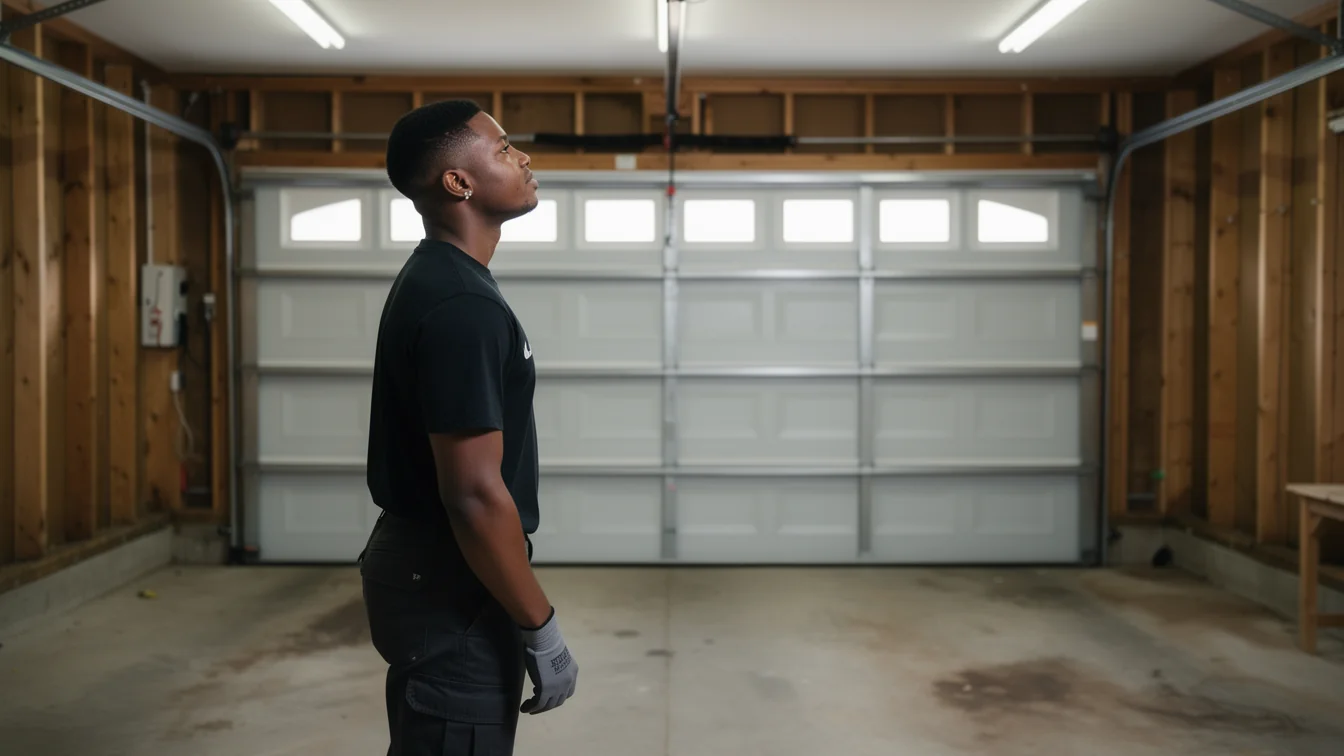 Openers and Power Cuts: What Scranton's Older Garage Stock Means for You
Scranton homes built 1938-1982 often run openers that weren't made for cold-severe winters or modern power interruptions.
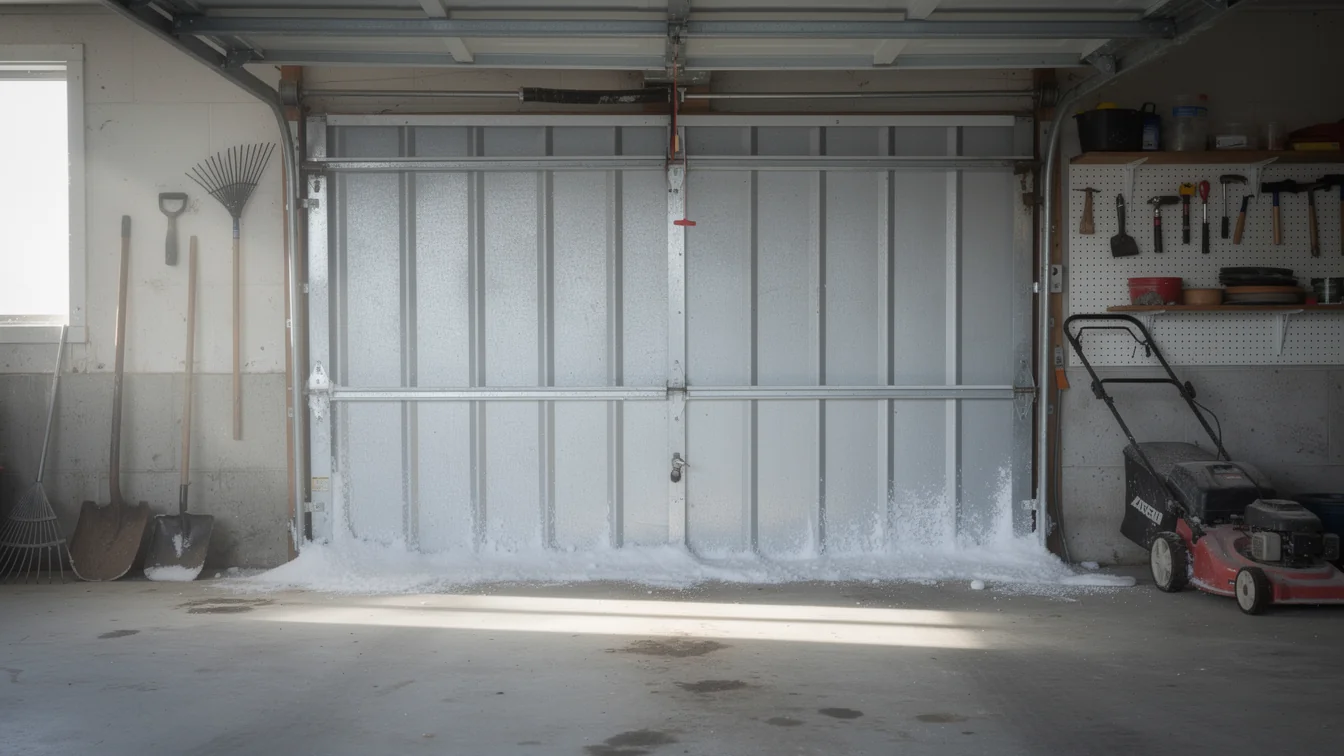 Why a Garage Door Goes Off Track Here in Scranton
Scranton's 1938-1982 housing stock and cold winters push garage door tracks out of alignment.
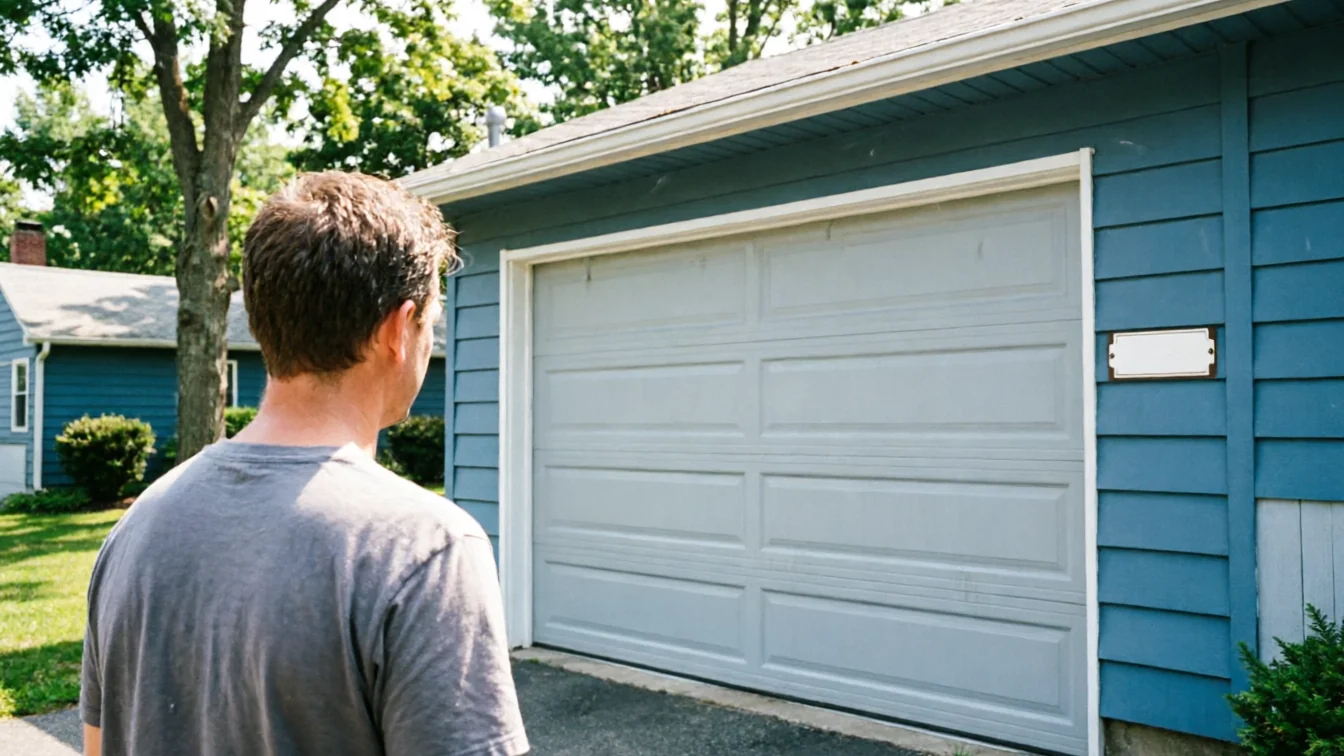 What It Actually Costs to Replace a Garage Door in Scranton
Scranton homes built between 1938 and 1982 face cold-climate wear that changes what a replacement garage door actually costs.
Ready when you are
Need a garage door sorted in Scranton?
Scranton Garage Door Pros repairs and installs garage doors, springs and openers in Scranton, PA and the surrounding area.