
Blog
What That Sound Coming From Your Garage Door Is Actually Telling You
Most Scranton garage doors date to the 1938-1982 building boom. Here's what grinding, popping, and screeching actually mean on hardware that old, and when to worry.
The Cost of This Job
We're not going to quote you a number here, because the honest answer depends on what's actually wrong, and that's the point of this whole page. What we can tell you is how the decision gets made. Across this service area, median household income sits at $68,010, and most owners we talk to want a straight repair-versus-replace answer before they spend a cent, not a bundled package that upsells a new opener onto a job that only needed a roller.
The bigger cost driver here isn't labor, it's parts availability. A lot of the housing stock in this area went up between 1938 and 1982, with the median build year landing around 1960. That means original hardware - steel track sizes, drum styles, spring wind patterns - that newer doors don't use anymore. Matching a 1960s track to a door that's been resized or re-hung once already takes longer and costs more than swapping a current part. If your door is making noise and the house is from that era, the first question isn't "how much" - it's "does this part still exist off the shelf, or does it need to be sourced." That changes the timeline more than it changes the price.
What Local Conditions Do
This area sits in a climate band rated cold and severe, and that matters more to a garage door than almost anything else about the house. Steel contracts in deep cold. Grease inside a torsion spring thickens. Lift cables that were fine in September start dragging slightly against the drum in January, and that drag is what you hear before anything actually fails.
On top of that, most of the houses in this service area were built in the 1960s and 70s, per the local housing stock, which means wood jambs that have shifted with sixty-plus winters of freeze and thaw. A track bolted to a jamb that's moved a quarter inch isn't aligned the way it was the day it went in. That misalignment doesn't announce itself - it shows up as a scrape on one side of the door's travel, or a rattle that only happens on the way down. None of this is unique to any one street. It's the combination of an old build era and a hard winter climate acting on the same hardware for decades, and it's why a noise here usually means something a bit different than the same noise on a house built in 2005.
What Is Going On
A few sounds, and what they usually point to on hardware this old:
**A rhythmic thump, once per rotation of the drum.** Almost always a flat spot on a roller, or a roller that's worn enough that it's no longer round. Common on doors that have never had the rollers swapped since the house was built.
**A high metallic shriek on the way up.** Usually the torsion spring itself, dry from age and cold, grinding against the shaft. On a door old enough to still have its original spring, this is the sound that precedes a snap, not just annoyance.
**A loud bang followed by the door refusing to move.** That's a broken spring, full stop. Don't force the opener past this point - it'll burn out the motor trying to lift a door with no spring tension helping it.
**A low grinding that tracks the door's full travel.** Usually a track that's bent or pulled slightly out of alignment, which lines up with the frost-heave movement common in houses on older foundations in this climate.
**A popping sound at the top of travel only.** Often a worn bearing plate, more common on doors that have had the opener upgraded once but the original lift hardware left in place.
Doing Nothing For Now
Some of these noises can wait. A squeaky hinge that just needs lubricant isn't an emergency, and we'll tell you that straight if that's what it is - not every call needs a truck.
But a spring that's shrieking instead of breaking outright is doing you a favor by warning you first. In a climate rated severe for cold, a spring under tension that finally lets go in January does it faster and with less warning than the same spring failing in July, because the cold steel is more brittle. Waiting on that one isn't a cost-saving move, it's a timing gamble.
A bent track or a door that's scraping on one side is a different kind of waiting. That one usually won't get dramatically worse overnight, but it keeps wearing the roller and the opener gear against resistance they weren't built for, and the bill for a stripped gear is bigger than the bill for a track adjustment. If your house falls into the 1960s-era stock that's common in this area, and the door's never had the track checked, that's the one thing worth doing before winter sets in rather than after.
Questions
Common questions
Why does my garage door only make noise in the winter?
Because the cold itself is doing the work. This area sits in a climate band rated severe for cold, and steel track and torsion springs both stiffen and contract in deep cold. A door that runs quiet all summer can start scraping or shrieking the first hard freeze, especially if the hardware is original to a house built decades back.
Is a grinding noise always the spring?
No. A grinding sound that happens through the whole travel of the door, top to bottom, usually points to a track that's out of alignment, not the spring. A spring problem tends to sound more like a shriek concentrated near the top of the lift, right where the tension is highest.
My house is older - does that change what's likely wrong?
Yes. A lot of this area's housing stock dates to between 1938 and 1982, with most of it from the 1960s and 70s. Original hardware from that era - track sizes, drum styles, spring winds - isn't always the same as what's sold today, so matching parts can take longer than a same-day fix on a newer door.
Can I just ignore a squeak if the door still opens fine?
A plain squeak with no change in how the door moves is usually just a dry hinge or roller and can wait. The ones not to ignore are a shriek that's getting louder week to week, or any sound paired with the door hesitating partway through its travel - that's tension or alignment, not lubrication.
Recommendation
You Might Also Like
More garage door guides for Scranton homeowners.
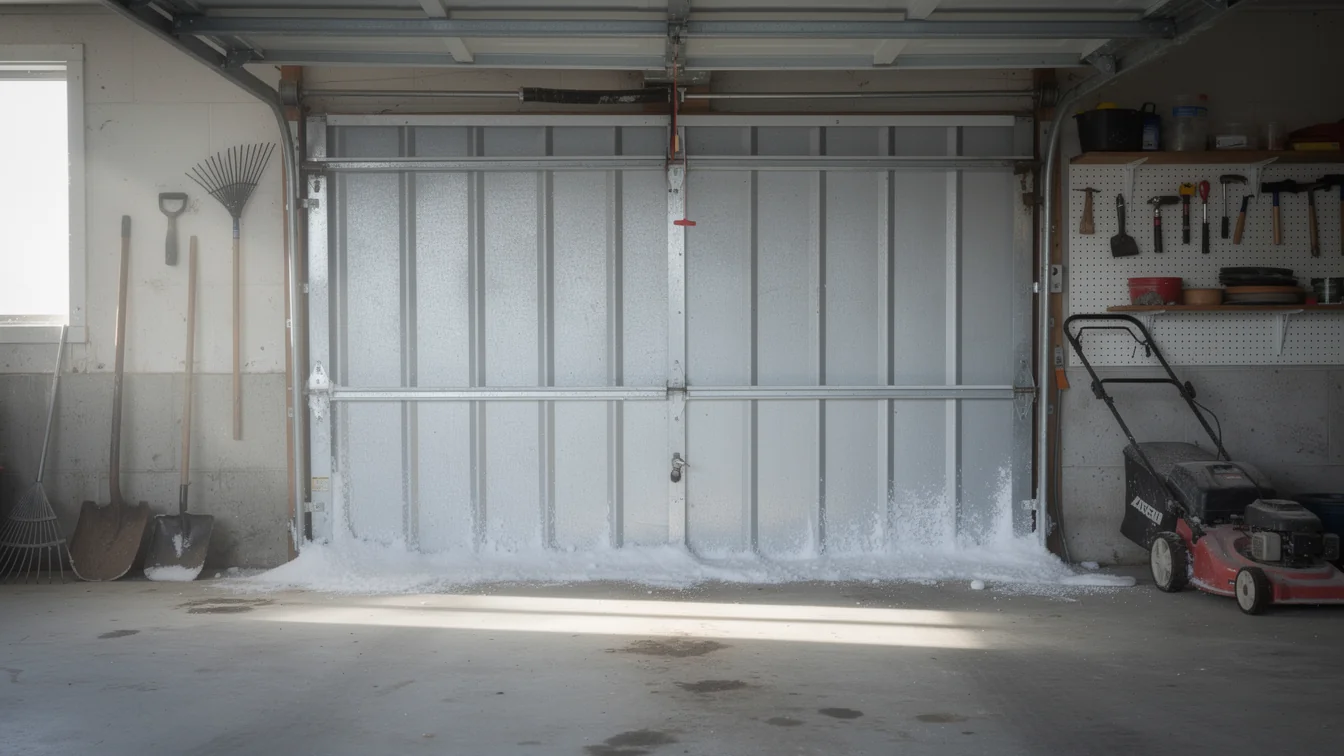 What We Check First on a Scranton Garage Door Call
In Scranton, a tech starts with the spring and track because most houses here date to 1938-1982 and cold-severe winters change which part fails first.
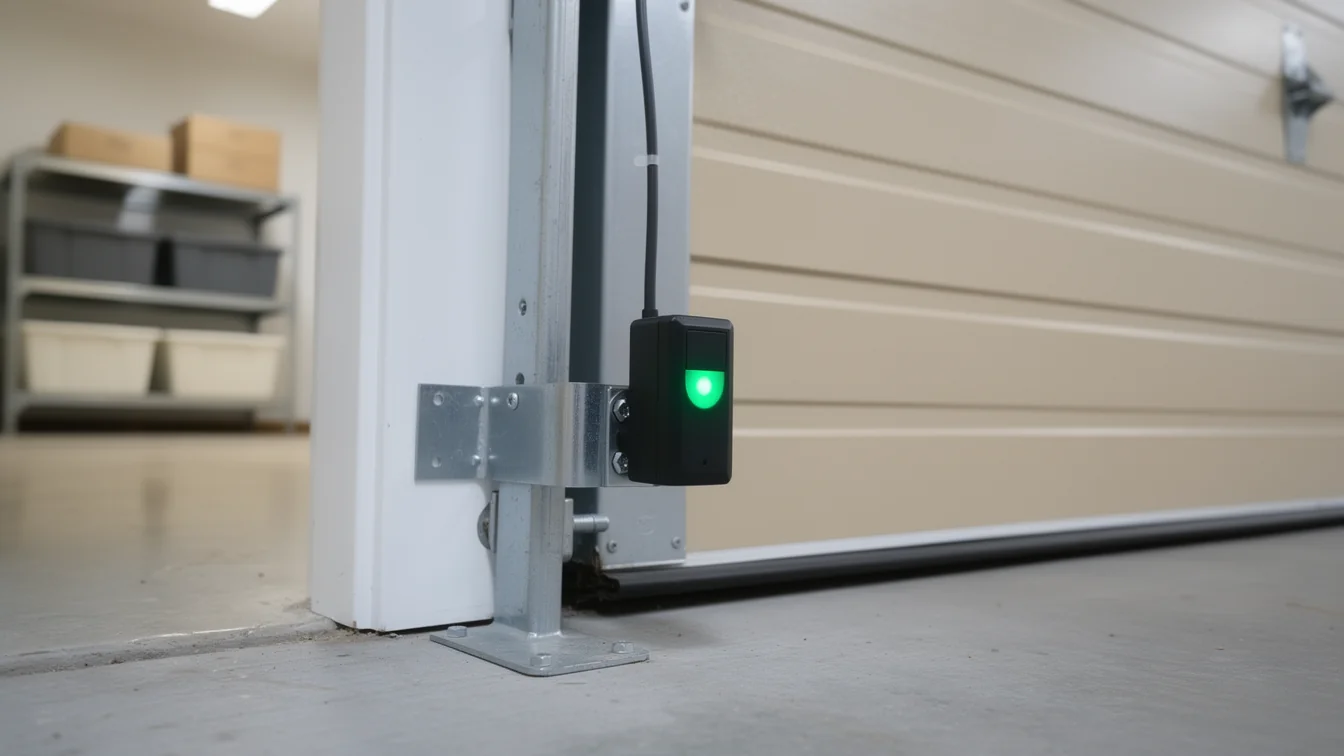 When a Spring Goes in Cold Weather, Here's What You're Dealing With in Scranton
A torsion spring doesn't ease up because the temperature dropped.
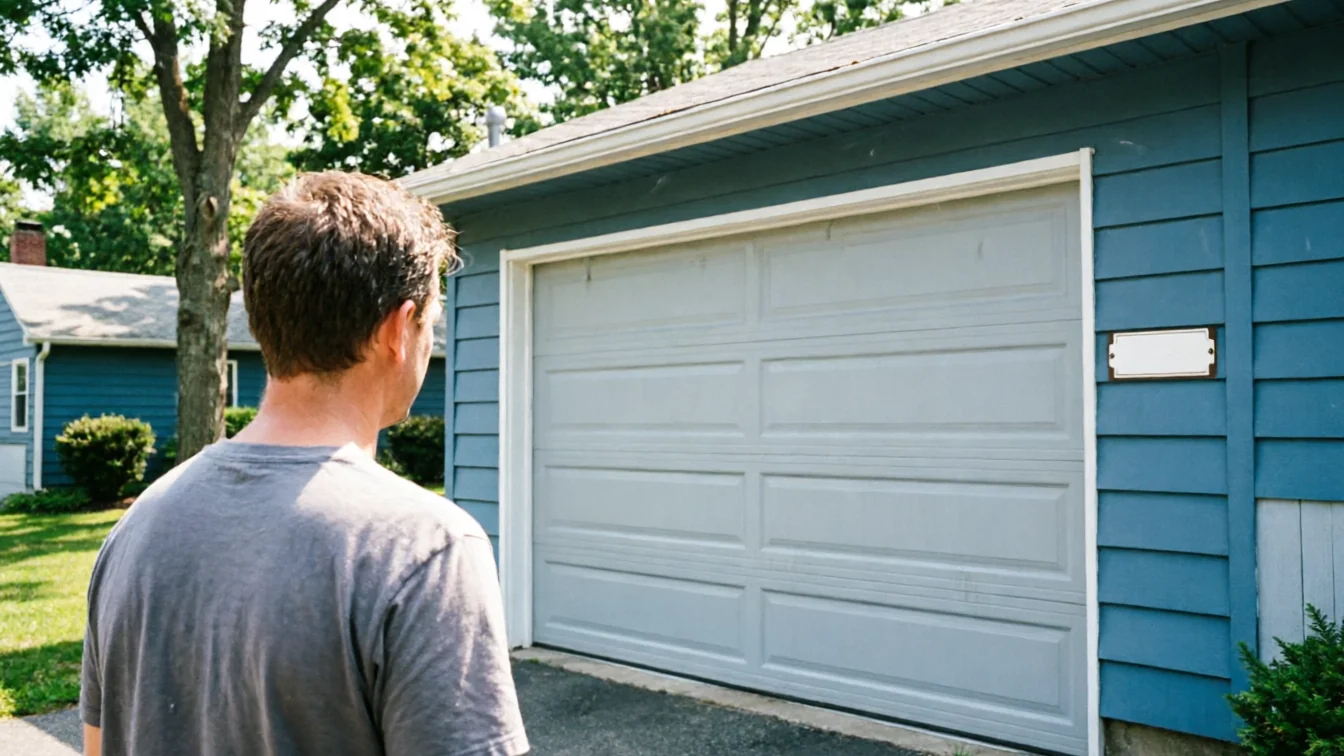 What It Actually Costs to Replace a Garage Door in Scranton
Scranton homes built between 1938 and 1982 face cold-climate wear that changes what a replacement garage door actually costs.
Ready when you are
Need a garage door sorted in Scranton?
Scranton Garage Door Pros repairs and installs garage doors, springs and openers in Scranton, PA and the surrounding area.