
Blog
Attached or Detached: Why It Matters for Your Scranton Garage Door
Scranton homes built 1938-1982 split between detached and attached garages. See how that age and our cold climate change the door, the seal, and the job cost.
The Cost of This Job
What a detached garage door costs to fix or replace here usually comes down to one thing: whether the garage shares a wall with the house. Most of the housing stock around Scranton went up between 1938 and 1982, with a lot of it clustered in the 1960s and 70s across the fifty or so named sections of the city and the surrounding boroughs. Detached garages from that era were often built as simple storage structures - single-car openings, bare stud walls, no insulation behind the jamb trim. Fixing or replacing a door on one of those is usually a straightforward swap: measure the opening, order the panel, set the track.
Attached garages built in the same window are a different job. They're tied into the house framing, often share a wall that backs a bedroom or laundry room, and in a lot of these 1960s-70s builds the header over the door opening wasn't sized for a heavier insulated panel. Swapping a hollow door for an insulated one on an attached garage can mean reinforcing that header before the new door ever gets hung. With a median household income of $68,010 across the service area, most owners we talk to want to know the real scope before they commit - and on an attached garage, the header check is part of that scope, not an upsell.
We don't quote a number here because there isn't one that's honest without seeing the opening.
What Local Conditions Do
Scranton sits in a cold, severe climate band, and that changes what a garage wall actually has to do depending on whether it's attached or detached. On a detached garage, the door is the only thing holding back the weather - there's no heated space on the other side to make up the difference, so a worn weatherstrip or a warped bottom panel just means a cold, drafty garage. Nobody's heating bill changes.
On an attached garage, that same worn seal is working against the house itself. Cold air moving through a bad bottom seal or a gapped panel seam pulls heat out of whatever room shares that wall - and in houses built in this 1938-1982 window, that's often a mudroom or a bedroom over the garage with minimal insulation to begin with. We see more call-outs for seal and panel repair on attached garages through the winter months than on detached ones, and it's not because the doors are worse - it's because the cold has somewhere to go.
Steel panels on both types also react to the cold differently depending on install era. Doors hung in the 60s and 70s often ran lighter-gauge steel than what's sold today, and in sustained cold that steel contracts enough to throw an older roller out of its track, attached or not.
What Is Going On
The split between attached and detached garages across Scranton and nearby areas like Dunmore, South Side, and East Mountain mostly traces back to when the block was built and what the lot allowed. Narrower lots from the 1940s and 50s tended to get detached garages set back off an alley or a side yard - no room to tie the structure into the house. Later builds, especially into the 60s and 70s, favored attached garages as construction shifted toward single-structure design.
That means the repair call we get from a detached garage is usually mechanical: a spring, a cable, a roller worn out from decades of use with no climate control helping it along. The call from an attached garage more often involves the seal, the insulation, or the header - things tied to the fact that the garage is part of the thermal envelope of the house, not just a box for the car.
Neither type is better built. They're built for different lots and different decades, and knowing which one you've got tells us what's actually likely to be wrong before the truck even leaves.
Doing Nothing For Now
If you've got a detached garage with a slow spring or a sticking roller, waiting usually just means waiting - the door gets harder to lift, the opener works harder, and eventually something snaps. That's an inconvenience, not a house problem.
If you've got an attached garage with a bad seal or a gapped panel and you let it ride through a Scranton winter, you're not just losing heat through the garage - you're asking whatever room shares that wall to make up for it. In the older stock here, built before the insulation standards changed, that wall often wasn't built with much of a thermal break to begin with, so the gap matters more than it would in a newer house.
Here's the honest limit: we can seal, weatherstrip, and reinforce a header, but we can't add insulation value to a wall that was never built with any. If the garage wall itself is the problem, that's a remodeling job, not a door repair, and we'll tell you that straight instead of selling you a door you don't need yet.
Questions
Common questions
Does a detached garage door cost less to replace than an attached one in Scranton?
Often, yes. Detached garages here, especially older ones, tend to have simple openings and no header work needed. Attached garages built in the 1960s-70s sometimes need the header reinforced for a heavier insulated door, which adds a step detached jobs usually skip.
Why does my attached garage feel so cold in winter?
In a lot of Scranton houses built between 1938 and 1982, the garage wall wasn't insulated to the same standard as the rest of the house. A worn door seal or warped panel on an attached garage lets cold air pull heat straight out of the room next to it.
Is it worth insulating an old detached garage door?
If nothing in the house depends on that garage staying warm, insulating the door mostly just keeps the garage itself more comfortable. It's a smaller return than insulating an attached garage door, where the heat loss actually hits your living space.
How do I know if my garage header can handle a heavier door?
We check it on site before ordering anything. Houses built in the 1960s and 70s around Scranton often have headers sized for the lighter hollow doors common at the time, which isn't always enough for a modern insulated panel.
Recommendation
You Might Also Like
More garage door guides for Scranton homeowners.
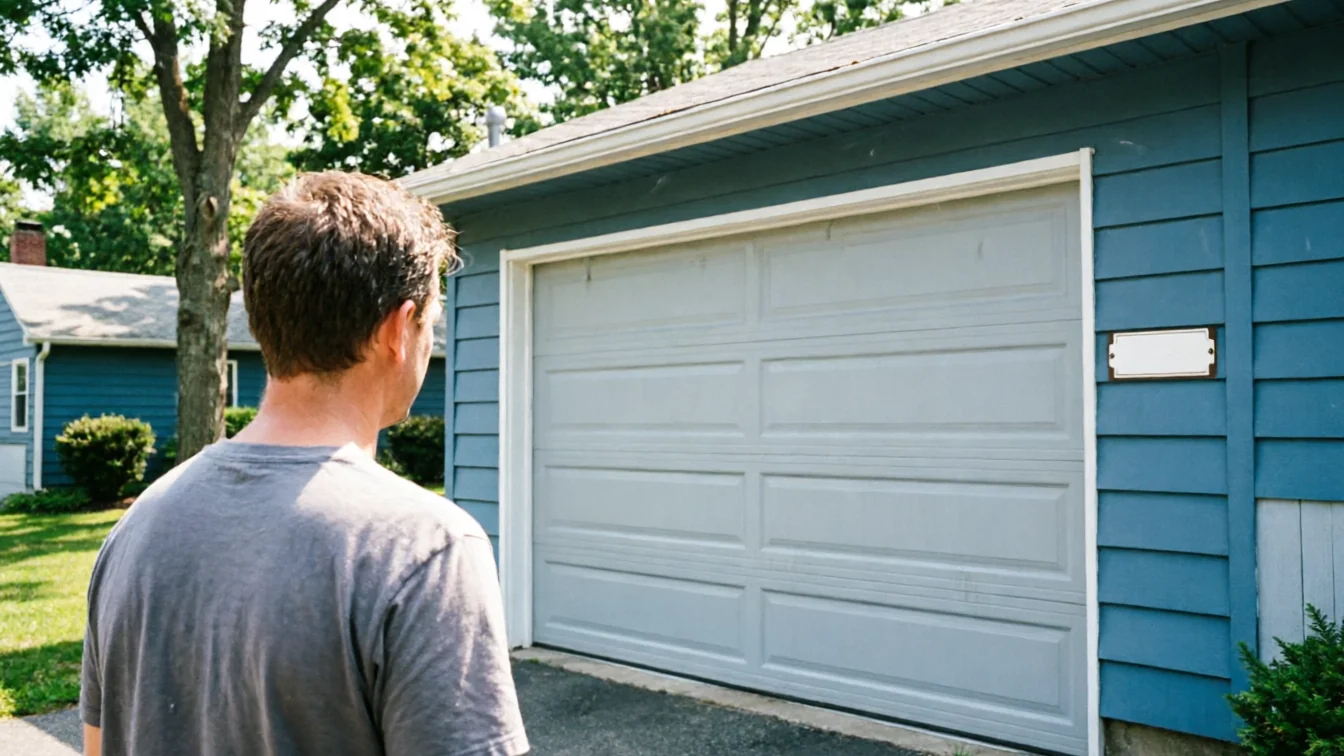 What It Actually Costs to Replace a Garage Door in Scranton
Scranton homes built between 1938 and 1982 face cold-climate wear that changes what a replacement garage door actually costs.
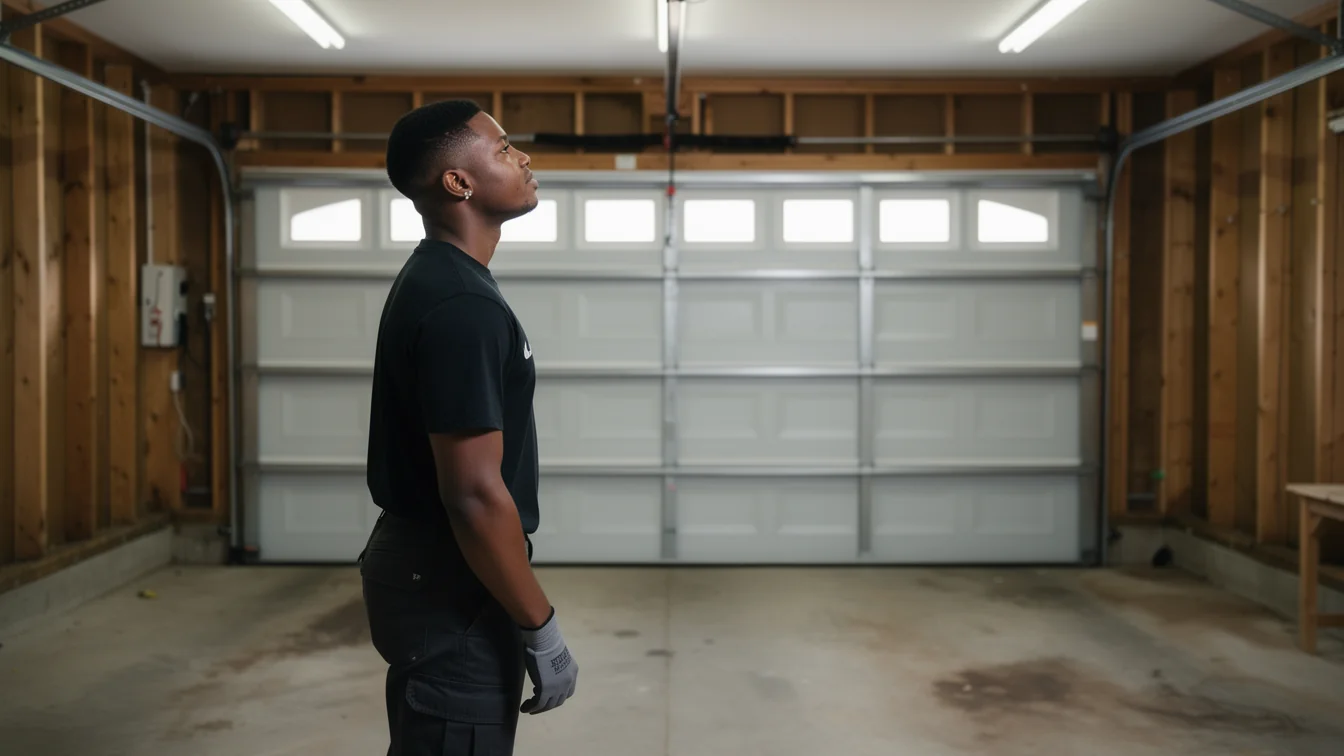 Uninsulated Garage Doors on Scranton's Older Housing Stock
Scranton homes from the 1938-1982 build wave often have uninsulated garage doors.
Openers and Power Cuts: What Scranton's Older Garage Stock Means for You
Scranton homes built 1938-1982 often run openers that weren't made for cold-severe winters or modern power interruptions.
Ready when you are
Need a garage door sorted in Scranton?
Scranton Garage Door Pros repairs and installs garage doors, springs and openers in Scranton, PA and the surrounding area.